The Truth About Pain and Dental Implants Bakersfield CA
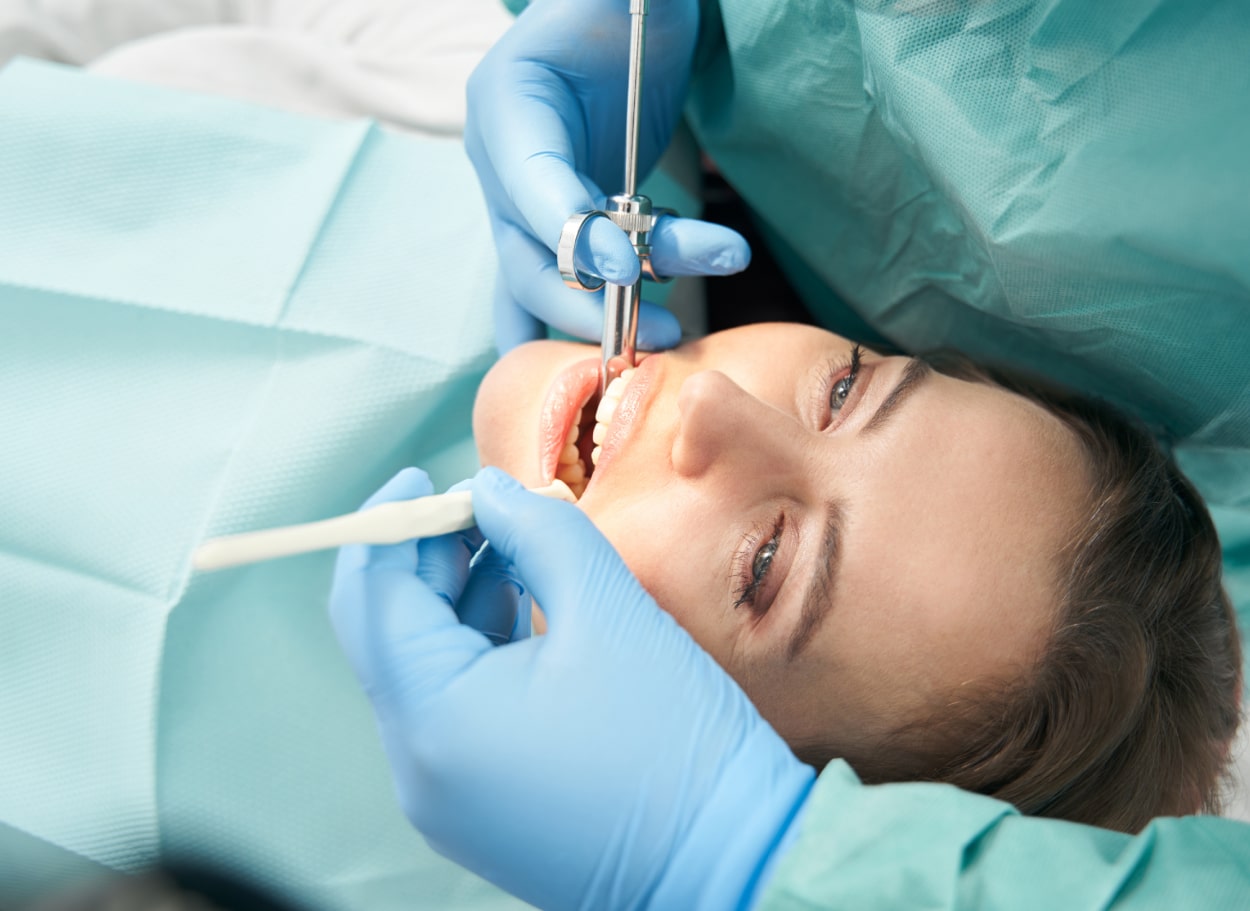

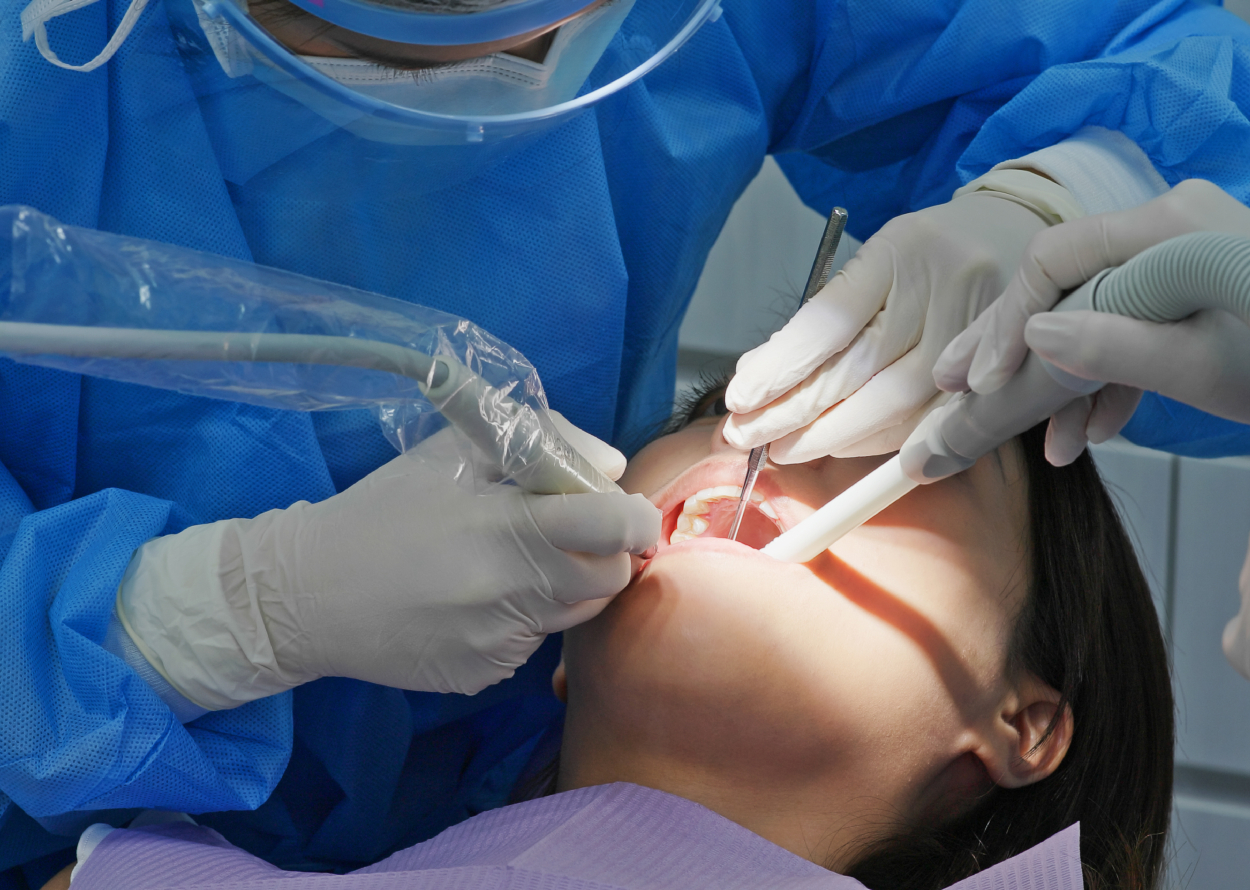
If you ask people what worries them most about getting a dental implant, pain usually comes first. Cost is close behind, but pain gets the emotional reaction. People picture drilling, swelling, a throbbing jaw, and days of regret. By the time many patients finally sit in the chair for a consultation, they have already absorbed years of secondhand stories and internet folklore.
The reality is usually much less dramatic.
That does not mean dental implants are painless. Any honest discussion should say that clearly. A dental implant is a surgical procedure, and surgery comes with soreness, pressure, swelling, and a recovery period. What matters is the type of pain, how long it lasts, what is normal, and what crosses the line into a problem. That distinction makes all the difference, especially for patients researching Dental Implants Bakersfield CA and trying to decide whether fear is keeping them from a treatment that could genuinely improve daily life.
A lot of the dread comes from lumping every stage together. People imagine the consultation, extraction, implant placement, healing, and final crown as one long painful event. It is not. It is a sequence, and each phase feels different. Most patients are surprised by one thing more than anything else: the anticipation is often worse than the procedure itself.
What people mean when they say “implant pain”
When patients talk about pain, they are often describing several very different sensations under one label. There is the sting of numbing medicine, the deep pressure of the implant being placed into bone, the post-operative soreness later that day, and the tenderness that shows up when chewing or brushing nearby. None of those sensations feel the same, and they do not carry the same significance.
During the actual procedure, most patients feel pressure and vibration, not sharp pain. If local anesthetic is working properly, the area is numb enough that the surgical part is manageable. That is true whether a patient is replacing one missing tooth or several. The jaw can feel tired afterward, much like it might after a long dental visit, but that is not the same as uncontrolled pain.
The soreness typically starts after the numbing wears off. For many people, it feels closer to a bruise or a pulled muscle than the agony they feared. They notice swelling, mild throbbing, and sensitivity when opening wide or chewing on that side. If bone grafting or tooth extraction happened at the same appointment, the recovery can feel more noticeable. That is often where stories get confusing. Someone says, “My implant was terrible,” when what made them miserable was actually a difficult extraction or an inflamed tooth that had been hurting for weeks before surgery.
That distinction matters.
A straightforward implant placed into healthy bone after full planning tends to be easier than people expect. An emergency extraction with infection, fractured roots, bone loss, or sinus involvement is a different experience. It can still be very manageable, but it is not fair to compare the two as if they are identical.
Why fear of pain gets exaggerated
Dentistry has a memory problem. One bad experience from childhood can color every adult decision afterward. A patient who had a painful filling at age ten may walk into an implant consultation at forty-five already bracing for trauma. Add online forums, dramatic videos, and well-meaning friends who love to retell their worst day, and fear starts to sound like fact.
In practice, a few things tend to shape the pain experience more than the implant itself:
- whether there is active infection or inflammation before treatment
- whether an extraction and implant happen on the same day
- how much bone grafting is needed
- the patient’s anxiety level and pain threshold
- how closely aftercare instructions are followed
That list is more useful than broad claims like “implants hurt” or “implants don’t hurt.” Both statements flatten a process that has nuance.
An anxious patient can have a physically routine surgery and still report a rough experience because tension amplifies everything. Another patient with a more complex case may breeze through because the inflammation was controlled first, the treatment plan was clear, and pain management was handled properly. Experience in the chair matters, but so does preparation before the chair.
What the procedure usually feels like
The numbing injections are often the part patients dislike most, and even that lasts only seconds at a time. After that, the procedure itself is often anticlimactic. You may feel your dentist or surgeon working. You may hear instruments. You may notice vibration or pushing pressure in the jaw. If anything sharp appears, that is the moment to say so. Good clinicians want feedback immediately because pain during the procedure usually means more anesthetic is needed, not that the patient should “tough it out.”
For single-tooth cases, placement can be surprisingly efficient. Once the area is numb and prepared, the implant is inserted into a carefully created space in the bone. Patients often expect something violent. What they typically feel is a firm sense of pressure and manipulation. It sounds bigger than it feels.
Sedation changes the memory of the event more than the tissue response afterward. Patients sometimes assume sedation means less healing pain. Not necessarily. Sedation can make the appointment feel easier emotionally and can be a great option for the right person, especially someone with strong dental anxiety or a lengthy treatment plan. But once the medications wear off, the surgical site still follows the same biology. The body heals on its own timetable.
For patients seeking Dental Implants Bakersfield CA, this is worth discussing during consultation because comfort planning is not one-size-fits-all. Some people do very well with local anesthetic alone. Others benefit from oral sedation or IV sedation, particularly if multiple implants are being placed or if prior dental trauma is part of the picture.
The first 72 hours, where most of the discomfort lives
The first day is usually more about managing swelling and staying ahead of soreness than surviving severe pain. Many patients do well with a combination of prescription or over-the-counter medication recommended by their dentist, along with ice packs, rest, and soft foods. It is common to feel worse on the evening of surgery than during the appointment itself. That is normal.
Day two and day three are often when swelling peaks. This can be surprising. People expect the worst to hit immediately, but inflammation builds before it settles down. A puffy cheek, a stiff jaw, and tenderness while chewing are all common. Sleep may be slightly awkward if lying flat increases throbbing. By the fourth day, many patients notice the trend turning in the right direction.
The texture of this discomfort matters. Normal healing discomfort generally improves in stages, even if not perfectly smoothly. Problem pain tends to intensify, sharpen, or come with other warning signs. A patient who says, “It is sore, but a little better each day,” is telling a very different story from someone who says, “It suddenly got much worse, I have a bad taste, and my face is swelling more on day five.”
When implant pain is not normal
Most dental implant recoveries are uneventful, but there are situations where pain deserves prompt attention. Knowing what is normal is reassuring. Knowing what is not normal is practical.
Watch for these red flags and call the office if they appear:
- pain that worsens steadily instead of easing after the first few days
- swelling that continues to grow after day three or four
- fever, foul taste, or drainage from the area
- numbness that lingers longer than expected
- pain when the implant area is touched lightly or feels loose
Patients sometimes hesitate to call because they do not want to seem dramatic. That is a mistake. Dental teams would rather hear from you early than after a small problem becomes a larger one. Persistent or escalating pain can point to infection, bite issues, nerve irritation, pressure from a temporary restoration, or delayed healing. None of those should be diagnosed by guesswork.
It is also worth saying that not every ache around an implant means the implant itself is failing. Sometimes the discomfort comes from the gums, sutures, neighboring teeth, clenching, sinus pressure in upper jaw cases, or a temporary appliance rubbing the tissue raw. That is one reason internet self-diagnosis goes off the rails so quickly. Location alone is not enough to tell the story.
Extractions, grafting, and why some “implant pain” is really something else
A major source of confusion is the combined procedure. Let’s say a patient has a cracked molar removed, receives a bone graft, and later gets an implant. The extraction site may have been infected, the root may have been difficult to remove, and the bone graft may create fullness and soreness in the gums. Months later, when that person tells a friend the implant process was painful, the implant gets blamed for everything.
In many real cases, extraction is the rougher part.
A severely damaged tooth can already have an inflamed ligament around the root. The nerve may have been irritated for weeks. The surrounding bone can be tender before treatment even begins. By contrast, implant placement into a healed site is often cleaner and calmer. The tissue is healthier, the infection is gone, and the plan is more controlled.
Bone grafting can also change recovery. Some grafts are minor and create only mild tenderness. Others, especially when a larger deficiency must be rebuilt, can add pressure and swelling. Upper back teeth near the sinus are another category patients should understand. If sinus augmentation is involved, recovery may include congestion, pressure, and very specific instructions about sneezing and nose blowing. Again, that is not “just implant pain.” It is a broader surgical recovery.
This is why a good consultation matters. The phrase Dental Implants Bakersfield CA may bring up a lot of offices online that all seem to offer the same thing. They do not always approach planning the same way. The quality of imaging, the attention paid to bone volume and gum health, and the clarity of post-operative instructions all influence how comfortable recovery feels.
Bakersfield patients often ask the same practical questions
Heat, dust, long workdays, and physically demanding jobs are part of life for many people in Bakersfield. That local reality affects recovery planning more than brochures tend to admit. A patient who works outdoors, drives long distances, or supervises crews may have different concerns than someone who can rest at home for several days.
One common question is whether it is realistic to return to work the next day. Sometimes yes, sometimes no. If a single implant is placed without major grafting, a desk job may be manageable fairly quickly. If multiple implants, extractions, or sedation are involved, taking a little more time is wiser. Patients with physically demanding jobs should be especially cautious. Heavy exertion can increase throbbing and bleeding and make swelling feel worse.
Another practical issue is hydration and diet. Bakersfield heat can make dehydration more likely, and a dehydrated patient generally feels worse. Soft food does not have to mean miserable food. Yogurt, scrambled eggs, smoothies eaten with a spoon, mashed potatoes, oatmeal once tolerated, soups that are warm rather than hot, and flaky fish are all common choices. Crunchy chips, nuts, hard crusts, spicy foods, and anything that catches in the surgical site tend to create setbacks.
Coffee comes up a lot too. Most people do not want to hear this, but taking it easy on very hot drinks right after surgery is sensible. Temperature can aggravate tenderness, and the habit of sipping quickly or using a straw can work against early healing. The issue is not punishment. It is just mechanics.
Pain control is not just about medication
Medication matters, but it is only part of the comfort plan. The smoother recoveries usually have a few things in common: the patient understood what to expect, started appropriate medication on schedule rather than waiting for intense pain, used ice consistently in the early window, rested more than they thought they needed, and resisted the urge to “check” the site every hour with a tongue or finger.
That last habit causes more trouble than people realize. Patients probe, poke, pull at the lip, or chew on the opposite side in a strange way that strains the jaw. Then they wonder why the area stays irritated. Healing tissue prefers to be left alone.
Clenching and grinding can also make discomfort seem much worse. Bakersfield, like anywhere else, has no shortage of stressed patients who grind at night. If the jaw muscles are already tense, a small surgical site can feel bigger than it is. In some cases the soreness after implant placement is partly muscular, not just surgical. When that is true, managing bite pressure and jaw tension can be just as important as anything done at the implant site.
What the long-term picture feels like
Once the implant has healed and the final crown is in place, it should not hurt in any ongoing way. A healthy, integrated implant should function comfortably. Patients sometimes describe a brief awareness period when they first chew on it, not because it is painful, but because it is new. The mouth notices changes. That usually fades as function becomes natural.
It is worth remembering that implants do not have the same sensory apparatus as natural teeth. A real tooth has a periodontal ligament that gives subtle feedback under pressure. An implant is anchored directly in bone. That difference does not make implants painful. It just means the sensation can be different, particularly at first. Most patients adapt well and appreciate the stability, especially if they have been living with a loose partial, a failing bridge, or a missing tooth that made chewing awkward.
When an implant hurts months or years later, the cause needs evaluation. It may be gum inflammation, bone loss around the implant, an overloaded bite, a cracked crown, or an issue with a neighboring tooth. Delayed pain is not something to ignore or explain away.
The emotional side of implant pain gets overlooked
People often arrive embarrassed by how frightened they are. They say they know it “sounds silly,” especially if they have put off treatment for a long time. It is not silly. Fear of pain is one of the strongest reasons patients postpone care until the problem gets bigger, more expensive, and ironically more uncomfortable.
What helps is specificity. Broad reassurance rarely changes much. Telling someone “you’ll be fine” does not calm them nearly as much as walking them through what they will probably feel that afternoon, what swelling may look like on day two, what foods will work, when they can brush, and which symptoms deserve a call. Anxiety shrinks when expectations get concrete.
That is where an experienced dental team earns trust. Good implant care is not only technical. It is also communicative. The best outcomes often come from offices that explain recovery plainly, answer the same questions without impatience, and adjust the plan to the person in front of them rather than reciting a script.
So, do dental implants hurt?
Yes, but usually not in the catastrophic way people imagine.
Most patients experience https://archeroclu472.brightsora.com/posts/comparing-dental-implants-in-bakersfield-ca-to-dentures-and-bridges manageable soreness, pressure, swelling, and a few days of inconvenience. Many say the process was easier than a tooth extraction, easier than the chronic pain that led them there, or easier than they had braced for over months of worry. More complex cases can absolutely bring a tougher recovery, especially when infection, grafting, sinus work, or multiple implants are involved. But even then, the pain is typically temporary and can be planned for intelligently.
For anyone exploring Dental Implants Bakersfield CA, the most useful question is not “Will it hurt?” Of course some part of it will. The better question is “What kind of discomfort should I expect in my case, how long should it last, and what will you do to help me manage it?” That question gets real answers, and real answers are what make good decisions possible.
If pain has been the main reason for hesitation, it helps to separate fear from probability. The procedure is surgery, not magic, and no ethical dentist should pretend otherwise. At the same time, the horror stories that keep people awake at night are not the everyday norm. In real clinical life, most implant patients get through the process with less pain than they expected and far more relief than they thought possible once the missing or failing tooth is finally behind them.
Smyle Dental Bakersfield
2016 E St, Bakersfield, CA 93301, United States
+16614939040
FAQ About Dental Implants Bakersfield CA
What is the downside of a dental implant?
The main downsides of dental implants involve high financial costs, surgical risks, a lengthy healing process, and the potential for long-term complications.
How much does a full set of implants usually cost?
A full set of dental implants (covering both the upper and lower arches) typically ranges from $6,000 to $90,000+, depending heavily on the type of treatment, materials used, and whether the teeth are fixed or removable.
Can I have all my teeth pulled and get implants?
Yes, you can have all your teeth pulled and replaced with dental implants. Instead of placing a separate implant for every single tooth (which is costly and time-consuming), dentists typically use full-arch systems.